
WHY WOULD A FERTILITY ACUPUNCTURIST ASK YOU TO GET MORE TESTS?
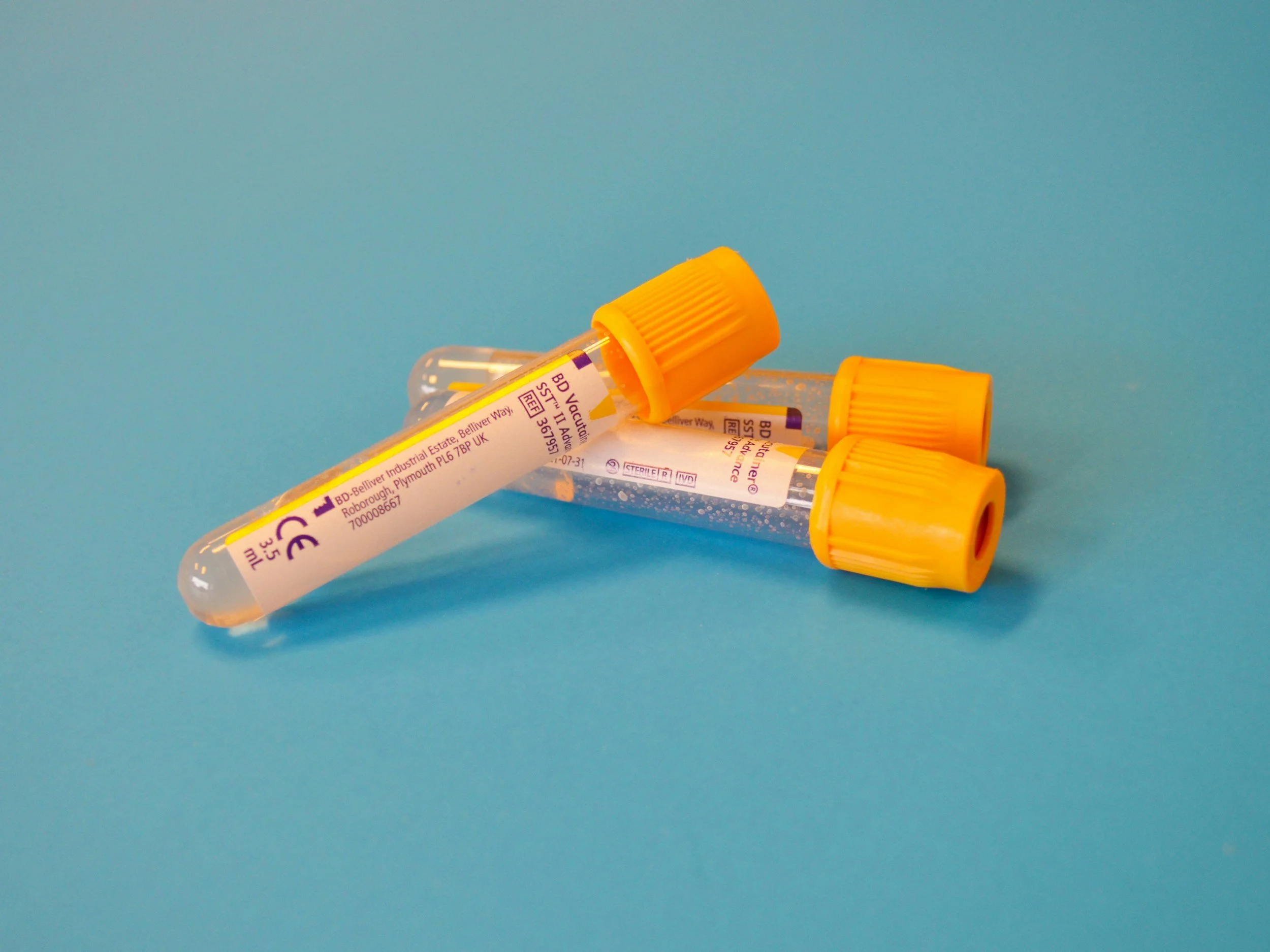
Because "all your tests are normal" often means only the most basic tests have been done, sometimes on the wrong day, and judged against ranges that aren't set for fertility. A specialist fertility acupuncturist works with your Western test results, not instead of them, to find out what may have been missed.
Lots of people come for acupuncture having been told all their test results are normal and there's no obvious reason they aren't getting pregnant. Depending on how long they've been trying, their age and whether they already have a child, they're usually either advised to keep trying or to consider IVF. Unfortunately, those "normal tests" are very often only basic bloods, a scan and a semen analysis. Even if they really are all normal, that doesn't tell us enough to know why someone isn't getting pregnant. Add the fact that tests are often done on the wrong day, weren't reviewed by a specialist, or are called normal because they're in range but far from optimal, and you have people left feeling hopeless and helpless.
So people who come to a fertility acupuncturist expecting relaxation, stress relief and whale music are often surprised to be asked for copies of every test they've had (although they'll get the relaxation too, don't worry). Specialist fertility acupuncturists don't offer acupuncture as an alternative to Western medicine. They use their knowledge of both to help you optimise your fertility and get to the bottom of why you aren't getting pregnant.
The tests I most often see missed or misinterpreted
Day 3 hormones (FSH, LH, oestradiol). These are often tested on day 8, day 12 or an unknown day, and then declared normal or even perfect. We need baseline levels to rule out or identify issues, so results from the wrong day tell us very little. If your cycle is absent or very irregular, day 3 testing may not be possible, and some testing is better than none, but the conclusion still shouldn't be that these hormones are definitely normal.
Progesterone. This is often tested on day 21, which only works if you ovulate on day 14, and most people don't. Progesterone (and ideally oestrogen) should be tested around seven days after ovulation, when it peaks. This test confirms whether ovulation has taken place, but it also shows whether levels are high enough to support implantation and pregnancy. I often see people told a level of, for example, 25 nmol/L is fine, when above 30 nmol/L is the usual threshold for confirming ovulation, and fertility specialists generally prefer it even higher.
Thyroid. When you're trying to conceive and in early pregnancy, we want thyroid stimulating hormone (TSH) to be lower than the standard threshold. That means subclinical hypothyroidism matters. We support this with acupuncture, lifestyle and diet changes or, depending on the levels, refer you to a doctor to discuss medication.
Thyroid antibodies. Even where a TSH issue has been identified, it's rare for a full thyroid panel to have been done to check whether antibodies are raised.
HyCoSy (a scan that checks your fallopian tubes are open). If you've been trying for a long time without a pregnancy, check that your fallopian tubes are open. This is worth doing even with secondary infertility, as tubes can become blocked after a first pregnancy. It's missed less often than the others, but it can be hard to arrange outside the HSE fertility hubs or a gynaecologist's care. It can also be booked privately.
Specialist scans. I've seen many, many people told their scans were clear, only to be diagnosed with endometriosis or adenomyosis later. Basic scanning often doesn't pick up the signs of endometriosis, so a specialist scan is important. Endometriosis is found in a significant number of women who have difficulty conceiving (estimates vary, but range up to around half), so if you're struggling to conceive, it's worth ruling out even without obvious symptoms.
Sperm DNA fragmentation. A basic semen analysis usually covers the main parameters, but it doesn't check the DNA integrity of the sperm, which can have a significant impact on pregnancy. Where morphology is low, IVF clinics often suggest ICSI to select the best sperm, but they can't see the DNA, so ICSI alone doesn't bypass fragmentation issues. It's worth considering for every male partner, and as a minimum it should be done where morphology is low.
Joining up the pieces
Fertility care is often split between a GP, a clinic and several specialists, each looking at the results relevant to their appointment. Because I review everything together, patterns show up that can otherwise fall through the gaps. Going through all the results in detail has regularly uncovered an underactive thyroid or a male factor issue that was missed because different specialists focused on different results.
What "individualised" actually means
This is what it means when a fertility acupuncturist says they provide individualised treatment: all test results reviewed, issues flagged and referrals made. You shouldn't be told you have unexplained infertility when you've only had a few basic tests, and you shouldn't need a degree in reproductive health to navigate your own fertility care.
This is general information, not medical advice. Always discuss testing and results with your GP or consultant.